 Albanian
  Türkçe
  العربية
  Български
  English
  Français
  македонски

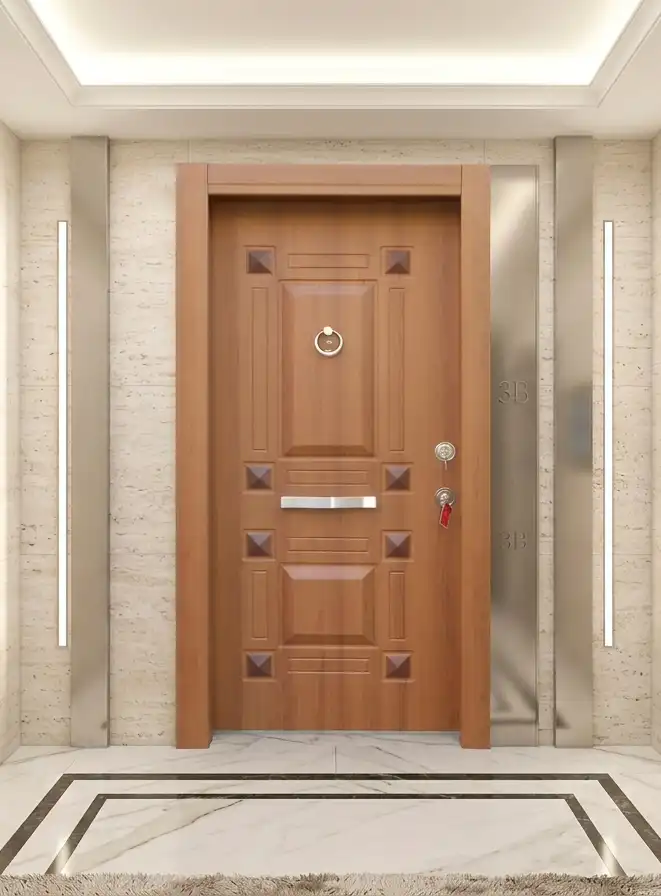
How Smart Steel Doors Improve Home Security
When it comes to safeguarding your home, family, and valuable belongings, the primary entrance of your house serves as the first and most critical line of defense. Historically, homeowners relied strictly on heavy-duty steel doors to provide peace of mind through sheer physical resistance. However, as modern intrusion techniques become more sophisticated, physical barriers alone are no longer sufficient to guarantee complete protection. Welcome to the era of smart home technologies, where robust engineering merges seamlessly with high-tech digital access solutions to establish the ultimate residential security ecosystem.
Integrating an advanced smart door lock into a heavy-duty steel frame upgrades your entryway from a simple physical barrier into an intelligent access management hub. Whether you are building a new modern house, renovating an existing property, or planning to replace an outdated entry door with a state-of-the-art keyless steel door, understanding the comprehensive security benefits of these systems will help you make a well-informed investment.
1. The Synergistic Power of High-Grade Steel and Digital Intelligence
A conventional wooden or composite door, even when fitted with high-quality deadbolts, contains innate structural vulnerabilities. Burglars often exploit physical weaknesses such as soft door frames, hollow cores, and traditional mechanical key cylinders. Smart steel doors systematically eliminate these traditional security gaps by combining extreme structural endurance with cutting-edge digital intelligence.
Maximum Structural Durability and Physical Resistance
Steel remains the single most reliable material for exterior doors due to its unmatched tensile strength and impact resistance. Unlike traditional timber or PVC doors, high-gauge steel doors do not warp, crack, shrink, or rot when exposed to severe weather conditions or drastic temperature fluctuations. They resist brute force attacks, crowbar prying, frame distortion, and drilling attempts. When an intruder faces a reinforced steel leaf set within a heavy-gauge steel casing, physical breach becomes practically impossible without specialized heavy machinery.
Modern Keyless Entry Eliminates Mechanical Weak Points
Integrating a modern keyless door lock onto a steel door removes the single weakest link in traditional physical security: the physical keyway. Mechanical keys present continuous operational hazards; they can be lost, stolen, misplaced, copied at local key cutters without your authorization, or picked by skilled burglars using basic tension tools. A keyless steel door replaces susceptible keyholes with encrypted digital tokens, biometric scanning sensors, or encrypted wireless smartphone communications, effectively rendering traditional lock-picking techniques completely useless.
2. Fundamental Features Defining Next-Generation Smart Steel Doors
To comprehend why modern homeowners, interior designers, and security consultants are rapidly shifting toward integrated smart entryways, it is essential to examine the core technological features that define these advanced security platforms.
Advanced Biometric Access & Precision Fingerprint Recognition
Fumbling through pockets or bags for keys while carrying heavy groceries or dealing with lost house keys after a late shift are problems of the past. Incorporating a high-precision biometric door lock allows authorized residents to unlock their front door in milliseconds using registered fingerprints, facial recognition scanning, or encrypted personalized PIN codes. Leading global security hardware manufacturers, such as Desi, design state-of-the-art biometric sensors capable of live-tissue detection. This advanced functionality prevents unauthorized entry through artificial silicone prints, high-resolution photographs, or duplicated geometric molds.
Real-Time Remote Monitoring, Control, and Access Logs
Through dedicated mobile applications connected via Bluetooth, Wi-Fi bridges, or Z-Wave smart home protocols, modern entrance doors grant homeowners real-time oversight over their entryway regardless of where they are in the world. Key capabilities include:
-
Receiving instant push notifications on your smartphone whenever the door is opened, closed, locked, or unlocked.
-
Remotely verifying the physical status of the door deadbolts if you ever worry about forgetting to lock up before departing for work or vacation.
-
Generating temporary, time-restricted digital guest codes or virtual keys for domestic helpers, maintenance crews, or short-term rental guests without handing out physical keys.
-
Reviewing comprehensive audit logs that track exactly who entered the home and at what specific time.
Integrated Tamper Sensors and Active High-Decibel Alarms
Unlike standard mechanical doors that remain silent during a break-in attempt, modern intelligent doors actively defend themselves. Embedded vibration and pressure sensors continually monitor the door leaf and frame for unusual impacts, heavy drilling, prying forces, or illegitimate access attempts. If an intruder attempts to force the mechanical structure or tamper with the electronic housing, high-decibel built-in alarm sirens activate instantly while emergency push alerts are broadcast directly to your mobile device and linked alarm monitoring stations.
3. High-Security Engineering: The Contribution of Desi Smart Locks
The ultimate reliability and operational longevity of any intelligent entrance door depend entirely on the precision and strength of its internal motorized locking mechanism. Within the specialized domain of high-security hardware, Desi Smart Locks has established itself as an innovative industry leader, engineering robust hardware tailored specifically for heavy steel door applications.
Desi Keyless Door Lock Innovations
Desi specializes in transforming standard multi-point mechanical steel doors into fully automated, motorized defense systems. Products like the Desi Utopic series feature compact, high-torque motorized cylinder drives designed to throw and retract heavy-duty steel deadbolts effortlessly upon verified digital authorization.
Key benefits of integrating Desi locking mechanisms into custom smart steel doors include:
-
High-Torque Motorized Deadbolts: Heavy steel doors rely on complex multi-point locking rods that throw bolts into the top, bottom, and side of the frame simultaneously. Desi motorized cylinders deliver the heavy mechanical torque required to drive these multi-bolt locking systems smoothly without jamming or stalling over time.
-
Rapid Biometric & Keypad Modules: Desi external fingerprint readers and backlit touch keypads store hundreds of unique user profiles locally using military-grade memory encryption, executing authentication checks in under 0.5 seconds.
-
Encrypted Smartphone Integration: Desi motorized smart lock systems communicate using high-level encrypted Bluetooth protocols. This enables hands-free proximity unlocking, allowing your door to unlock automatically as your smartphone approaches the entryway.
-
Low-Power Efficiency & Emergency Power Backups: Desi engineering prioritizes low energy consumption, allowing motorized locks to operate for thousands of cycles on standard rechargeable batteries. Furthermore, external emergency power terminals and USB-C bypass ports ensure you retain full access even in the event of total battery depletion.
By combining a thick, reinforced steel door structure with a specialized Desi keyless door lock, property owners achieve an optimal balance between maximum structural resilience and smooth everyday technological convenience.
4. How Smart Access Control Systems Counter Common Burglary Tactics
Burglaries are overwhelmingly opportunist crimes; intruders seek fast, quiet, and low-risk methods to breach a property. Traditional locks present multiple predictable vulnerabilities that experienced intruders exploit daily. Modern smart access control systems effectively seal these entry vectors:
| Traditional Door Vulnerability | Smart Steel Door Defense Mechanism |
| Lock Picking & Lock Bumping | Keyless motorized cylinders eliminate open physical keyways entirely, making physical picking and bumping tools completely useless. |
| Duplicated or Stolen Physical Keys | Access is granted strictly via live biometrics, rolling digital tokens, or encrypted RFID signals that cannot be copied at a key cutter. |
| Crowbar & Frame Tampering | Multi-point steel locking bolts extend deep into reinforced steel frames across multiple axes, distributing physical load and resisting prying forces. |
| Silent Nighttime Breaches | Embedded seismic vibration sensors and tamper circuits sound high-decibel local alarms and send instant mobile notifications upon initial impact. |
| Unrestricted Duplicate Key Distribution | Digital access rights can be revoked or changed instantly via mobile app, rendering old passcodes or shared digital keys completely invalid. |
5. Integrating Entrance Security into Comprehensive Smart Home Technologies
A truly intelligent entrance system does not function as an isolated piece of hardware; rather, it acts as a central communication hub for your broader ecosystem of smart home technologies. When linked to home automation networks via unified protocols, your front door can trigger sophisticated automated security routines:
-
Smart Video Doorbell Interoperability: When a visitor rings your smart video doorbell, you can view high-definition live video, converse via two-way audio, and safely disengage your smart door lock directly from the video interface.
-
Automated Security Camera Activation: Detecting unauthorized vibrations or repeated failed PIN attempts at the door can instantly trigger perimeter security cameras to adjust pan-tilt focus, start cloud recording, and turn on floodlights.
-
Smart Lighting Routines: Disengaging your smart door lock after sunset can automatically activate hallway lighting, exterior sconces, and foyer lights to ensure you never walk into a dark home.
-
Unified Perimeter Arming: Locking your front door deadbolts via smartphone app or touch keypad upon exit can automatically set your interior motion detectors, arm alarm sirens, lower motorized window shutters, and adjust smart thermostats to energy-saving eco modes.
6. Evaluating Smart Steel Door Prices versus Long-Term Value
When researching smart steel door prices, it is essential to evaluate the investment beyond the initial purchase sticker price. Viewing a high-security entry door through the lens of long-term asset protection, personal safety, and reduced maintenance costs highlights its true financial value.
Primary Factors That Influence Market Pricing
-
Steel Gauge & Core Insulation: Thicker structural steel leaves (e.g., 14 to 16 gauge galvanized steel) backed by fireproof, sound-insulating acoustic cores cost more to produce but offer superior protection.
-
Multi-Point Locking Mechanism Engineering: Basic single-latch smart locks represent entry-level pricing, whereas multi-point motorized locking gear—such as heavy-duty Desi automated systems—commands a premium price due to complex mechanical engineering.
-
Biometric Hardware & Connectivity Accessories: Advanced optical or capacitive fingerprint sensors, facial recognition cameras, touch keypads, and dedicated Wi-Fi bridges contribute to overall hardware costs.
-
Custom Architectural Finishes: Premium wood veneers, natural stone accents, decorative glass elements shielded by interior steel grilles, and custom powder coatings influence overall manufacturing costs.
The True Return on Investment (ROI)
While initial smart steel door prices are higher than standard timber or hollow core metal doors, they deliver compelling financial and operational returns over time:
-
Reductions in Property Insurance Premiums: Insurance companies frequently offer lower monthly rates for residential properties equipped with certified multi-point steel doors and integrated smart alarm technology.
-
Enhanced Real Estate Asset Value: Modern smart home features and high-end exterior architectural doors are major selling points that significantly increase home equity and marketability.
-
Elimination of Emergency Locksmith Costs: Owning a keyless door eliminates emergency locksmith service calls for lost keys, broken key extraction, or lock rekeying when tenants change.
7. Best Practices for Selecting and Installing Your Smart Steel Entryway
To ensure maximum physical resistance and flawless electronic operation over decades of daily use, consider these crucial selection and installation guidelines:
-
Verify Steel Gauge and Frame Construction: Ensure the door leaf and surrounding frame are fabricated from high-grade galvanized steel featuring internal vertical and horizontal steel stiffeners.
-
Select Field-Tested Motorized Lock Hardware: Choose established locking mechanisms like Desi motorized cylinders that are specifically designed to handle the heavy mechanical load of multi-point deadbolts without motor strain.
-
Check Cyber Security and Encryption Standards: Ensure all wireless communication protocols (Bluetooth, Wi-Fi, Z-Wave) utilize AES 128-bit or 256-bit encryption to safeguard your entry system against digital hacking or signal interception.
-
Require Professional Certified Installation: Even the most secure smart steel door will fail if installed improperly. Always utilize certified professional installers who properly anchor the steel casing deep into the structural concrete or brick masonry of your home.
Conclusion: Securing Your Home for the Future
Upgrading to a modern smart steel door represents one of the most effective security investments a homeowner can make today. By uniting the unbeatable physical resistance of high-gauge steel construction with advanced smart access control systems and proven hardware like Desi keyless door lock solutions, you gain complete protection against physical intrusion while enjoying seamless, modern convenience.
Investing in a high-quality smart steel door guarantees that your home remains a safe, impenetrable sanctuary equipped to meet the evolving demands of modern life and smart home technologies.

